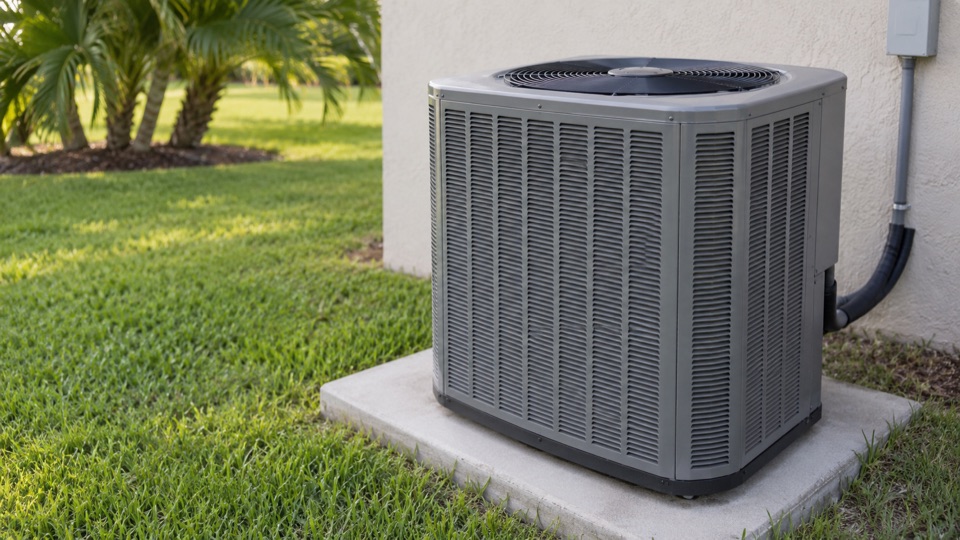
What local details help a Lakewood Park heating inquiry?
Give the street, house or unit number, and the entrance that leads to the heating equipment. Explain any blocked or locked access. If water is near the unit, stay clear and report what you can see from a safe place.
Give the address where the heater sits
Use the street address of the Lakewood Park property, even if your mail goes elsewhere. A post office box cannot show where to reach the heater. Include the house or unit number and say whether entry is from another street.
If you are calling for someone else, confirm who can open the property and approve work. Do not assume that a mailing contact has keys or knows which unit serves the home.
Describe the route you can see
Tell us about a locked gate, blocked path or water near the unit. Do not cross a hazard to find the model number. A safe route and a clear warning matter more than a complete set of labels.
If water reached the cabinet, or you suspect it did, leave it off and arrange a qualified check. Dry-looking surfaces do not prove that electrical parts are safe to use. Do not touch wet equipment.
Keep the recent history with the fault
Mention an outage, filter change or recent work, and when the loss of heat began. These events help explain the history. They do not prove the cause. Choose the guide below that fits what happened.
If a parts repair becomes a plan to replace or move the unit, ask which building office covers the address. Settle any added wiring, access work and permits before agreeing to the larger job.
Questions about this repair
What if I cannot reach the equipment label safely?
Leave it unread. An old invoice or manual may help, but you can call with the system type unknown. Explain the access limit.
Should I report an outage even if the power is back?
Yes. Give the timing and what the heater does now. The order of events is useful, but it does not prove electrical damage.